

Do you ever hear people talking about the Call of Duty League? Posting about it even? I can say without a shadow of a doubt that I’ve never heard these phrases in my entire life:
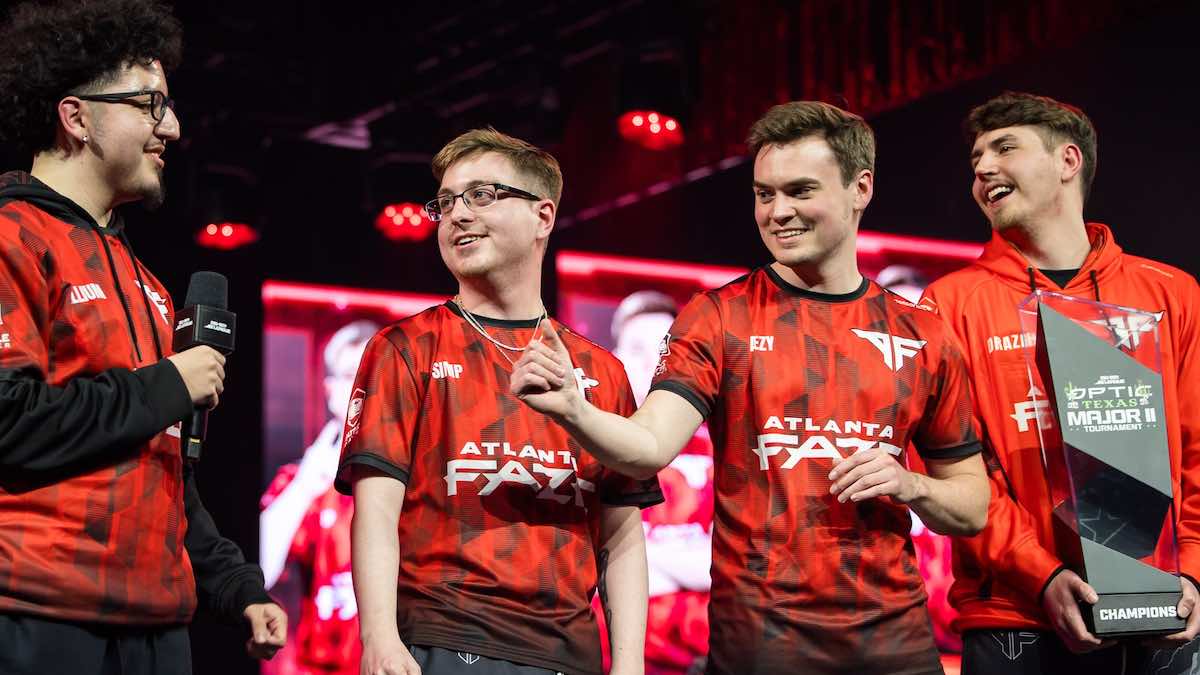
The Call of Duty League 2025 Finals won by the OpTic Texas peaked at 353,525 concurrent viewers, according to Esports Charts. This is up quite a bit from the 283,184 2024 finals. But still fewer than the peak back in 2022. For a game which was once the most popular shooter franchise, it feels like CDL was late to arrive and half-hearted.
But what’s harder to pinpoint is why. Why is the Call of Duty League struggling to attract the attention of much smaller titles?
Call of Duty has record breaking sales numbers, even getting its biggest launch with the most recent Black Ops 6. But it’s often difficult to shake the feeling that we’re in a filler year. Call of Duty still releases every year. Which most years means we get a game which feels like an obligation before we get to the real release. Often, one that’s not particularly suited for esports play.
Having to bring in a new Call of Duty every year isn’t conductive to decent esports play. Especially when the games lurches to different metas simply to make themselves feel different from the predecessor. Factor in the greedy monetization and often entire years of Call of Duty aren’t worth the hassle, which can make it difficult to get interested in the CDL.

When it comes to the Overwatch League, the LCS, Rocket League Championship Series, Super Smash Bros. Ultimate, and Counter-Strike: Global Offensive, these esports franchises feature games that millions of fans play themselves. They experience the same maps, characters, playstyles, techniques, and rules. For example, Overwatch players moved to 5-v-5 alongside pros. They get to better understand the strategies and choices of the top teams and even watch the games to get ideas for their own ranked matches.
Watching the best players play a game you are currently grinding yourself can make the viewing experience more exciting as well as an opportunity to learn. Seeing players excel in a game you play can feel inspirational — it’s mindblowing to see what they can discover and successfully implement in the exact same game you just played.
On the other hand, most Call of Duty fans aren’t playing the same game that the pros are playing. They do for the opening weeks. But Call of Duty changes too quickly to care too much about mastering the meta for a single instalment.
Activision Blizzard had major issues with their ongoing games by the end of their existence as a standalone company. They mangled overwatch, and despite turning every successful studio into a cog in the CoD machine, still only put out a decent release every handful of years. The Microsoft buyout was supposed to change things, but with the long development time, it’s taking a while for any changes to soak in.

Microsot’s esports attempts haven’t exactly put them on the map. The CDL is still roughly based on the Overwatch League format. Which even Overwatch was forced to abandon, switching to a completely different open system. Yet the CDL remains dedicated to this city-team system. Microsoft has also laid off the majority of Activision-Blizzard who worked in esports. Which might show something of their priorities.
The teams are also not particularly grabbing attention.
Call of Duty League teams are full of players that Call of Duty fans have never heard of. And the league nor the teams are doing much about this. Why are the pros not streaming Call of Duty: Warzone? Why are they not really streaming in general? Why are they not making fun content on Twitter?
The pros are just unrelatable and boring to the Call of Duty scene. They are playing a “dead game” that nobody wants to play or watch. They are playing in a league that doesn’t cater to the ever-changing esports and gaming landscape. It just runs similar tournaments on the latest title each year, and hopes some of the players bother to watch.
Call of Duty League switches to the latest Call of Duty game when they come out. Which means it’s pretty much always changing. Players don’t really build enough of a connection to a title for it to help the Call of Duty League’s viewership.

Call of Duty Black Ops 6 saw the biggest launch weekend for the game so far. It hasn’t really translated to more interest in the Call of Duty League. But there’s definitely been an improvement from the nadir of the early 2020s. It does seem to have come at the expense of Warzone though. Which has gone from Fortnite killer to incredibly niche.
It would be a stretch to say that Call of Duty League will suddenly see an immense amount of new viewership without any significant change. It does seem like the change in ownership has resulted in very little change for Call of Duty. If anything, Microsoft sems to view esports as an area ripe for layoffs and cut backs.
Given the series’ popularity, it feels like a professional Call of Duty League should be a bigger deal. But with the CDL largely ticking along as it always has, a big change in fortunes doesn’t seem likely.
And stay up to date on all the latest trends in esports
By submitting your information you agree to the Privacy Policy and Terms of Use