

World of Warcraft launched in November 2004; it’s one of the oldest-running and most beloved MMOs on the market, and we’ve had some iconic World of Warcraft Expansions in that time. Now, in 2026, you can even relive some of those magic moments in WoW Classic, Retail Remix events, and even Classic has had a second go around. In fact, in 2026, it’s highly rumoured we could even get the long-awaited Classic +.
As we enter 2026, we are now at the 11th expansion that has graced the game. In 2,024, we saw War Within drop, and 2026 will usher in the second part of that saga as Midnight is released. Right now, World of Warcraft appears to be riding a bit of a wave of popularity not seen since 2010. With other MMO’s such as FF14 stepping up, can Blizzard maintain that hype? For now, we’ll look back on each of the 11 WoW expansions and the impact they had on the future of Warcraft.
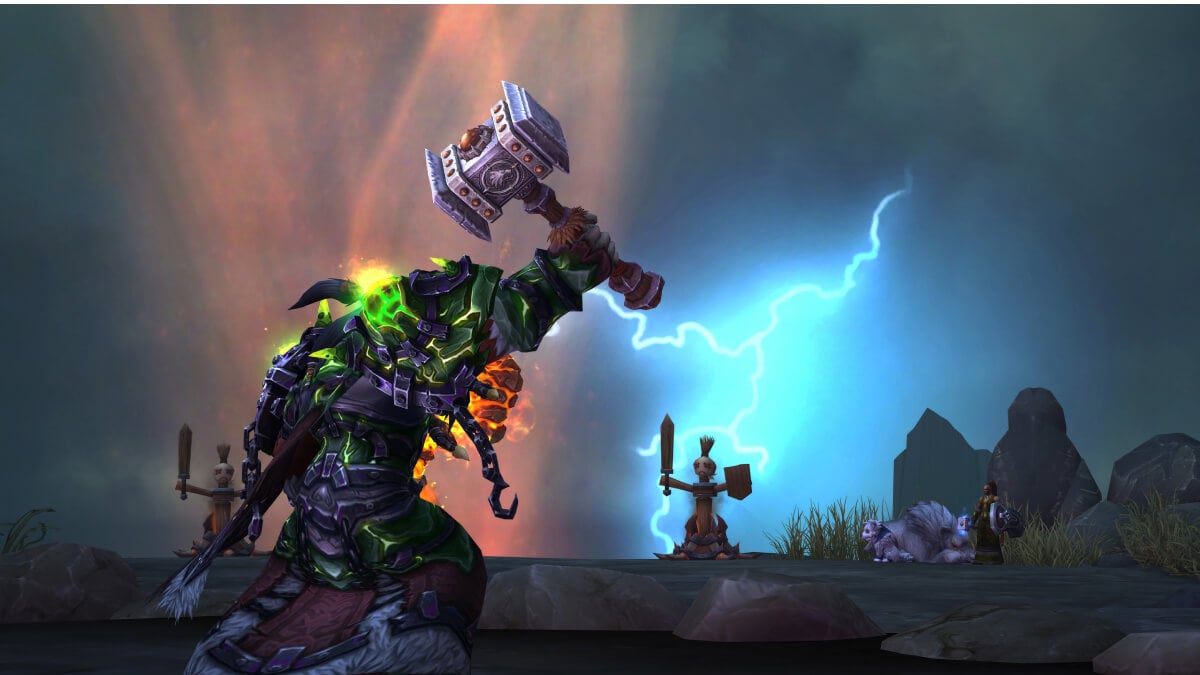
Burning Crusade marks many of WoW’s oldest players’ first real “moment” with WoW. You’ll often hear “I played Classic,” but the majority of those people really just have vague memories of that; it was Burning Crusade that really marked when many first played WoW.
So for many, BC is when WoW was at its most pure form, which is why when WoW Classic moved into the expansion, there was so much hype. It was probably the peak of what “Classic” WoW was in the standard format.

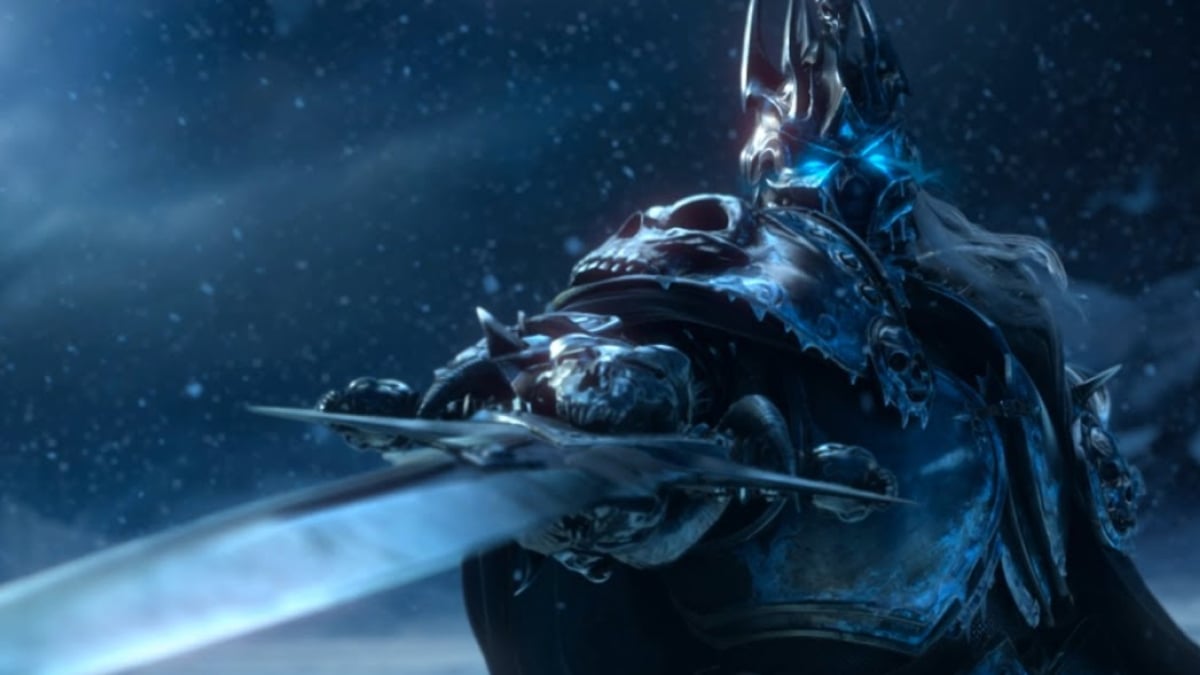
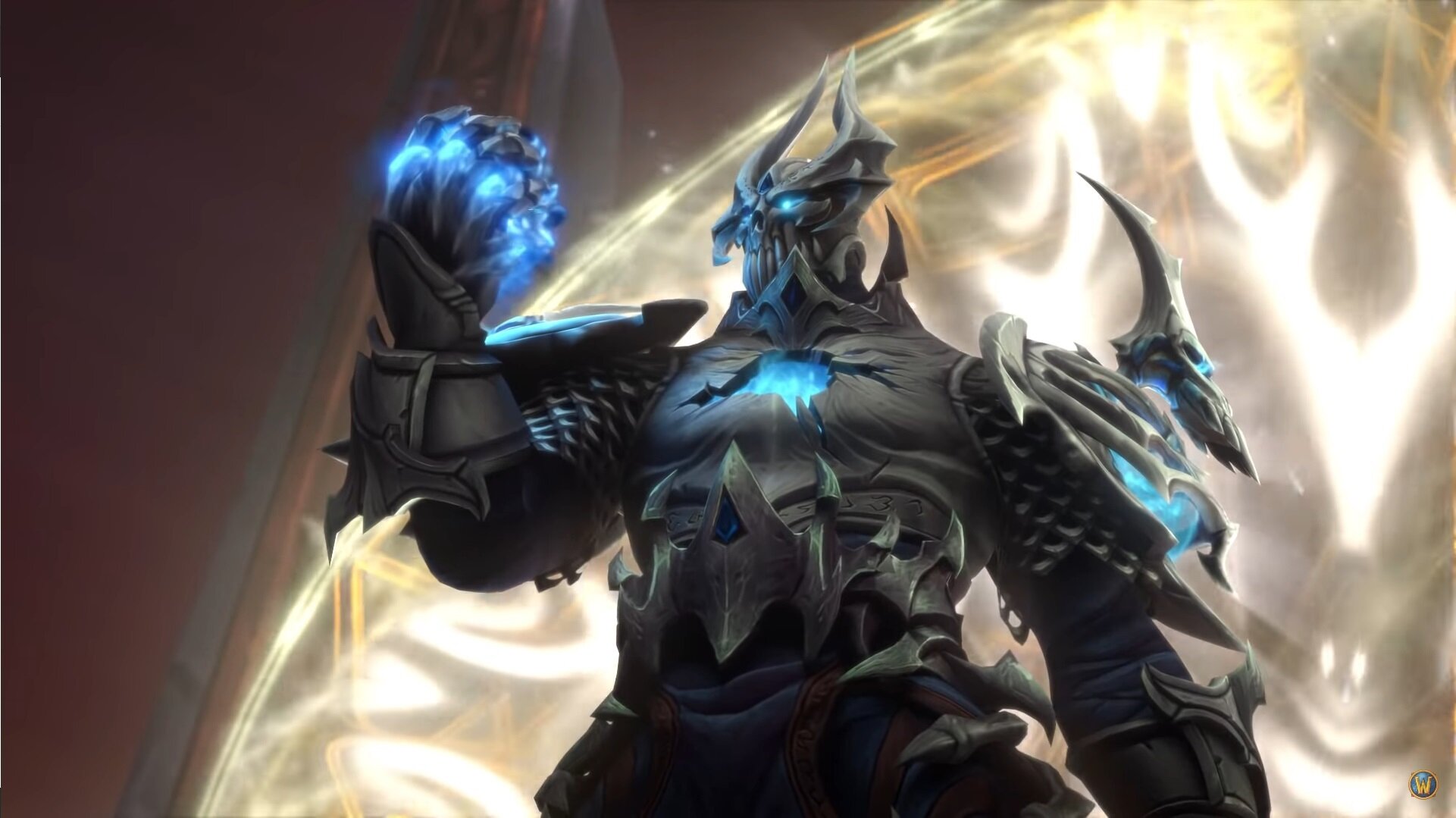
Another major haunt for the “OG” WoW players is Wrath. Often seen as the first major experience of raiding, Wrath is very much where a lot of people peaked in their experience of WoW. It also marked the “end” of Warcraft 3’s story arc. For many, this is considered the point of no return, with the next expansion marking an end to what many considered the reason why they lost interest in the story. The Death of the Lich King is cited as a major reason why many pulled away from WoW.
Cataclysm is one of the weirder expansions in WoW. It’s the first one after the “end” of Warcraft 3’s story, and for many, it marks the beginning of the downfall of WoW. It was recently the expansion that got the Classic treatment, and it once again caused the same issues that plagued actual WoW. Why did Classic go to the expansion that “wiped” the old world, and not leave a version of the pre-cata around? It’s a weird one, and the player base began to drop off once Cata hit peak, and it seems to continue that trend into the next one.
Cata wasn’t all bad, but it was when a lot of people said they stopped playing for some time, and you won’t often hear people wax lyrical about.

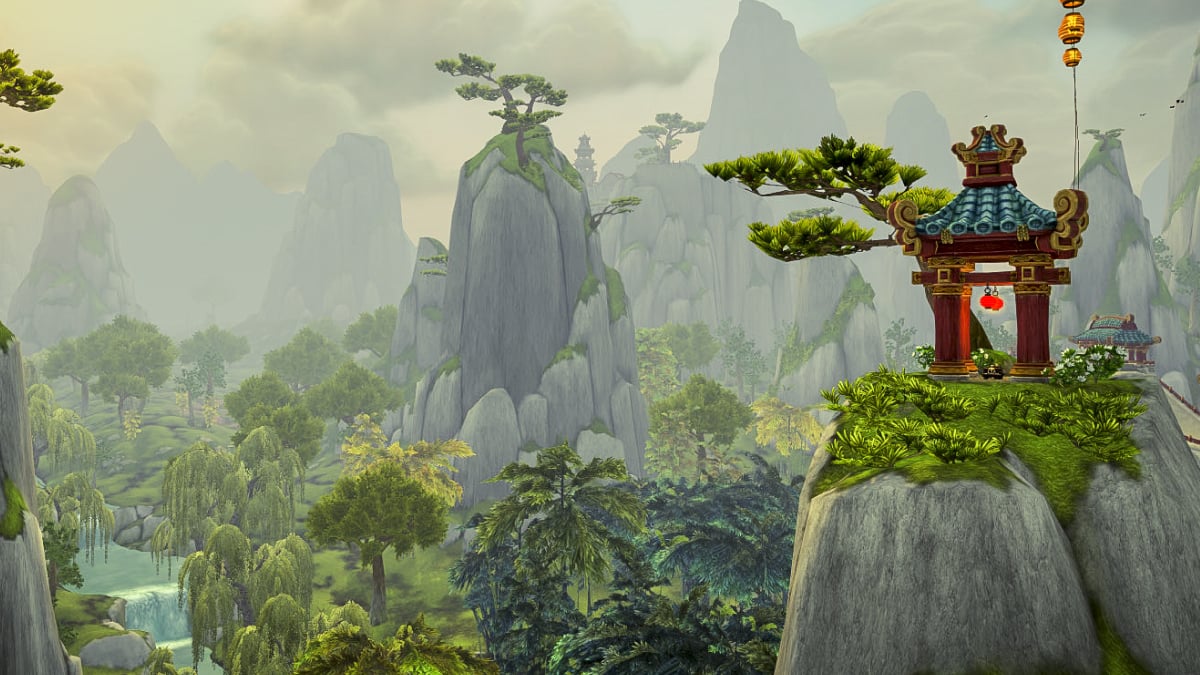
Mists of Pandaria is a strange expansion, again, like Cataclysm, it came at an odd time, and coming after Cataclysm doesn’t help it that much. The theme was also weird, with many fans having mixed opinions. Some felt it was weird to base an expansion on an April Fools joke from Warcraft, but really, it often felt like people just didn’t like an expansion that pandered (not sorry) to a Chinese audience.
MoP is the current Classic expansion, and once again, it’s the place I stopped playing WoW. It’s not deliberate, but I think it’s a natural point to stop at.
WoD is one of those strange moments in a game where you look back at it as a “what if.” On the surface, WoD gave people a lot of what they wanted. We went back to Outland (Draenor), but in its OG state, we sort of got player housing 0.5, and thematically it felt the most “Warcraft.” But WoD is not remembered well, and that’s because of the horrendous, nearly two-year content drought at the end. Blizzard basically pulled the plug on the expansion, got rid of an entire raid tier and moved on to the next expansion.
I played the end times of WoD. It was weird, grindy, and introduced a lot of systems people hated. The Garrison might be the biggest fumble in WoW history, however, and probably caused player housing to not happen for 11 years. It was all worth it, however, because what came next may very well have saved WoW.

If WoD was the death of WoW, Legion was its very rapid revival. Legion was what WoD wanted to be, but more. Crucially, the patch cadence was near perfect; in fact, it was so good that the game has almost perfectly followed the same cycle of patches and expansion releases since.
Legion was also a Burning Legion expansion, which is always popular due to the nostalgia for Burning Crusade. Legion wasn’t perfect; it added the World Quest system, which, while now much better, very much felt like a second job at the time. The artifact system was also a lot of work for more casual players. Blizzard would learn from this later, but it did drive many players away.
Legion was, however, when Blizzard started to learn a valuable lesson about content staying relevant for life. Mythic+ is now a key element of WoW, but Blizzard found out the hard way that putting years of effort into something like Class Order Halls, and then just leaving them to rot is not a good idea.
Battle for Azeroth is another weird moment in WoW’s history. It comes after one of the most popular expansions, and BFA was… fine? You rarely hear anyone moan or talk about it as the best expansion; it just felt like it did something good, reused a few too many Legion systems, and was probably a good example of why you shouldn’t run a system into the ground. Blizzard would 100% remember this ahead of the next expansion.

So that was a lie; Blizzard did not learn. Torghast was Island Expeditions 2.0, and it was a system people hated, as it was an endless grind. Sadly, Blizzard kept the bad part, making Torghast required to farm Legendary items, and it was a nightmare until it was fixed.
The Covenants were a good idea, and they were something people liked, but overall, the expansion was very “meh,” and it’s probably the worst Blizzard has released. As a result, Blizzard even appears to be removing it from the game’s canon.

Shadowlands almost killed WoW, again. With Dragonflight, Blizzard took risks, changed up the game, and crucially, set it back in Azeroth. It paid off, and WoW got another second wind.
It did, however, start to mark a shift in the game. Ever since Classic was released, the difference between Retail and Classic has grown wider, and Retail started to become a very modern video game. Lots of collectables, time-consuming tasks, and very planned and thought-out content drops.
For me, late-stage Dragonflight is when WoW sort of lost some of the magic for me; it started to become this other game, one that felt like it wasn’t for me. This is more likely due to friends and gaming groups also dropping away, and me not wanting to start again with a new group or guild. Overall, Dragonflight started something that the next set of expansions would run with.
War Within started as the first of a three-part Saga of expansions as Blizzard looked to turn WoW into something else. Now, one story thread could bleed across a series of expansions, rather than having to settle story threads in a two year period.
While we’ve always seen stories cross expansions, they always felt like hints. In War Within, however, we saw story threads clearly move into the next expansion, alongside larger threads that looked to be resolved much later.
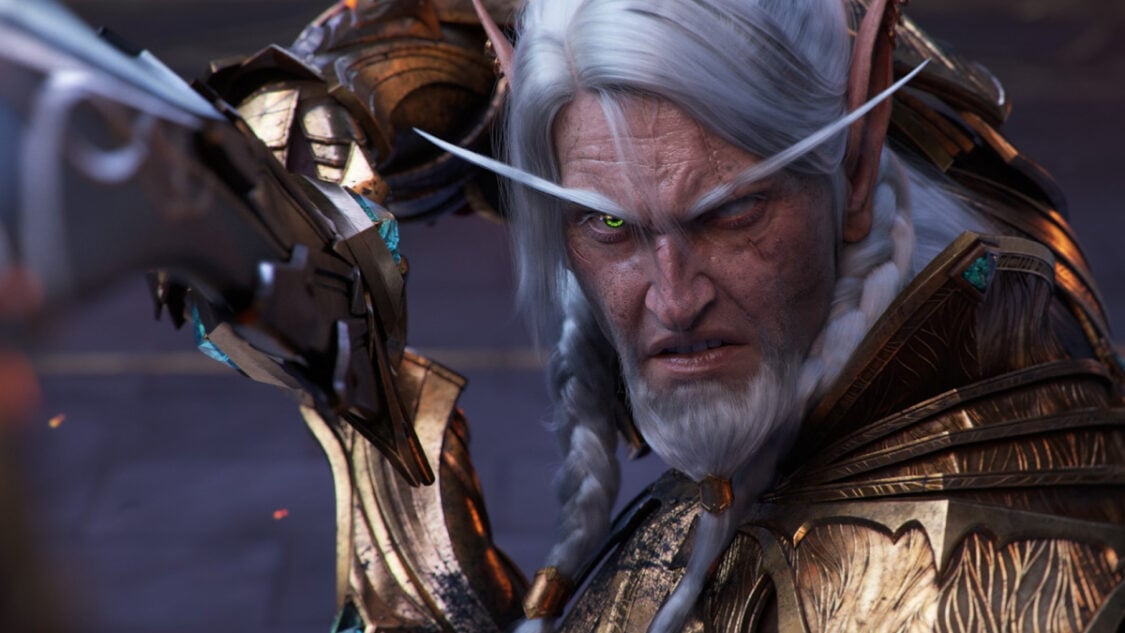
As of the time of publishing, Midnight is the next expansion in WoW, so we know very little about how it will play. It does feel like a big moment for WoW and its story. Midnight is the awkward middle expansion, so it needs to tie up loops from the first game, while keeping the excitement going for the final game in the saga. The Player Housing feature will be the lasting feature of the expansion, regardless, and given the volume of testing, Blizzard clearly knows it.
For now, that’s it for WoW expansions. We’ll be updating this as often as possible as Blizzard drops more content for its popular MMO.
And stay up to date on all the latest trends in esports
By submitting your information you agree to the Privacy Policy and Terms of Use