




If you’re stepping into VALORANT for the first time, welcome to one of the most exciting tactical shooters out there. This game combines gunplay with unique agent abilities and high-stakes team play. Let’s break down everything you need to know in this VALORANT guide for beginners.
In a nutshell, VALORANT is a round-based, first-person shooter game that combines precise gun mechanics with agent-based abilities. Two teams of five players face off – one on attack, and the other on defense – trying to win rounds through tactics, aim, and ability usage.
The main idea of VALORANT gameplay revolves around the Spike, which is a bomb-like device. Here’s the main idea:
Aside from the primary objective surrounding the Spike, you can also win a round by eliminating the entire enemy team before a plant goes down.
In short, you’ll need to collect rounds by completing the objective or eliminating the enemy team. Rake up rounds, and win the match if you’ve reached the goal of 13 rounds.
Money and the economy play a vital role in VALORANT gameplay. Every round, players earn credits, which are in-game currency used to buy:
Having better equipment and weaponry significantly increases the chances of winning rounds.
You can earn credits through:
Managing your credits – called “the economy” – is one of the most important aspects of the game, and we’ll go deeper on that later.
VALORANT offers multiple game modes catering to various playstyles and skill levels. Here are the most common modes you’ll find:
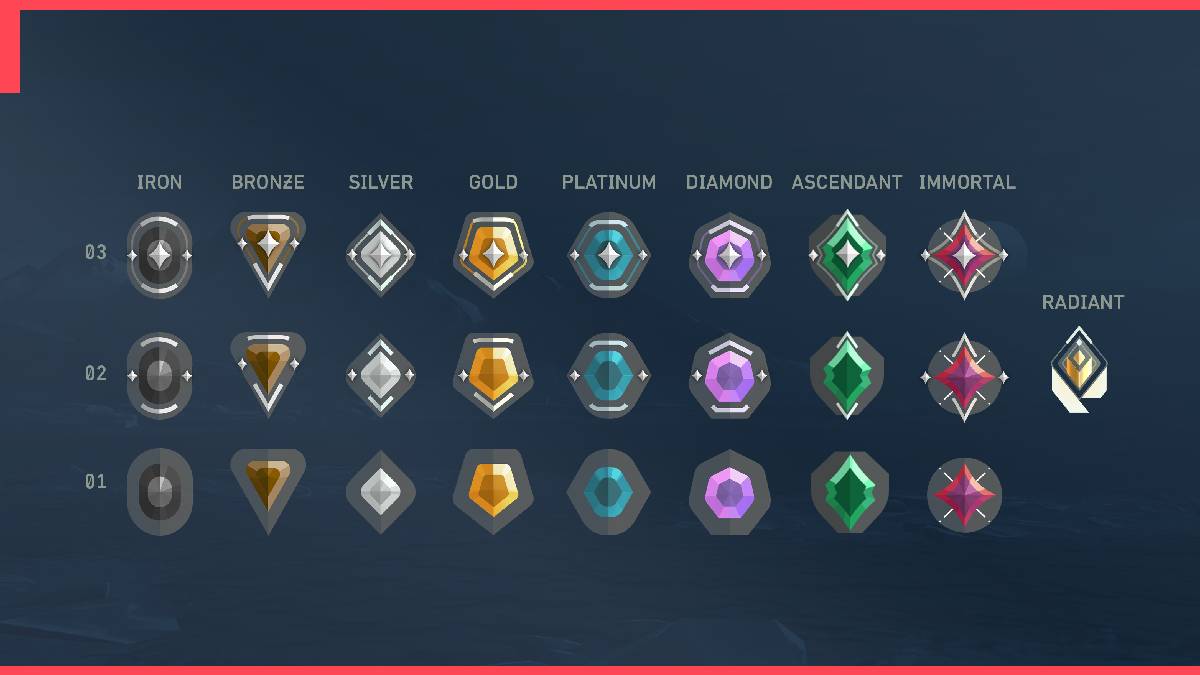
This is the standard, most-popular game mode in VALORANT. Competitive features the full-length mode and affects your MMR (matchmaking rating) and rank, which ranges from Iron to Radiant. If you’re looking to test your skill and see where you land, this is the place.

Same rules as Competitive, but has no rank impact. It is the perfect mode for casual play, warming up, or learning the gist of the game without any pressure.
First to 5 rounds wins. Swiftplay is a faster version of Competitive and Unrated, featuring a better economy and match pacing. It is ideal for short sessions (lasting around 15 minutes), while still playing full buy phases and Spike plants – just like regular gameplay.
Spike Rush is a quick 4-round match with randomized weapons and simplified gameplay. Rounds take 1-2 minutes max, making it perfect for fast fun or short warmups.
pure aim-practice mode. Players have no objectives and no abilities – just endless respawns and gunfights. Deathmatch is the perfect place for warming up or practicing aim and spray control.
A team-based version of Deathmatch. Team Deathmatch has three escalating loadout stages with better guns each round. It’s fast, chaotic, and good for learning the ropes of the most essential weapons in the game.
The Custom Game option allows players to play privately with friends or test specific strategies. You are free to change the rules, set up practice situations, or scrim with your team/friends.
The Range is a custom single-player training ground where players can shoot bots. There are options to have the bots move around, making it great for training drills or learning weapons without any pressure.
In VALORANT, every player must select an Agent, a unique character with its own set of abilities. These abilities support your gameplay, but guns will almost always do the killing.
There are four agent roles in VALORANT:
Duelist agents are designed to be self-sufficient fraggers, built to take the first contact.
Initiators are tasked with setting up fights, forcing enemies out of position, and gathering intel for the team.
Controllers are responsible for denying vision and delaying enemy pushes using smokes.
Sentinels are equipped with tools to lock down areas and defend sites using traps and slows.
VALORANT may feel overwhelming to learn, with all these colorful abilities being hurled at you on the screen. So, picking the right agent can make learning easier. Here are some of the most beginner-friendly agents to play:

Now that you’ve picked your agent, here are the essential things you need to know when playing the game.
In VALORANT, you’ll have to kill enemies to accomplish the objective and put rounds on the board. So, your first step is to realize that aim is king. The best way to get better is to lock in crosshair placement.

Most guns, especially rifles like the Vandal and Phantom, have vertical recoil. This means if you hold down fire, your weapon will automatically shoot upwards.
Learn how to:
If you’re having a hard time mastering the recoil patterns, consider bursting your weapon (shooting 3 to 5 bullets and then resetting).
Abilities are what define agents. They can be very powerful, but don’t rely on them to carry you all the way.
Remember – some abilities can also affect your teammates. Your flashbangs can blind your teammates, and grenades can also deal damage to them (though reduced).
Every round begins with a Buy Phase, where you can spend your credits. Understanding your team’s current finances is one of the most important factors in winning games.
Generally, it’s best to have coordinated buys, where your team enters rounds with similar firepower, which drastically improves your chances of winning. If only a few of your teammates can afford rifles while the others are stuck with pistols, you’re already at a disadvantage before the round even starts.
Sometimes, it’s smarter to eco (save credits) for one round, so you can enter the next round with a Full Buy for the entire team. It’s worth sacrificing one round to ensure you come into the next with a higher probability of winning. Remember – 13 rounds is a marathon, not a sprint.
A Full Buy is your strongest round setup. It’s when your team has enough credits to fully gear up with upgraded rifles and complete utility.

A Half Buy is a middle-ground round – you spend just enough to stay competitive, while saving for a future Full Buy.
An Eco Round (short for “economy round”) is a full save. You spend almost nothing to maximize your buying power in the next round.
There are multiple maps in VALORANT, each with unique layouts, bomb sites, and gimmicks such as doors, ropes, or teleporters. There are always seven maps in the current rotation, so it’s important to learn how each map is played.

Every map has its own rhythm and ideal strategies. Some of them favor faster plays and aggressive pushes, while others reward slow and methodical map control. As you play, start recognizing:
The more you play and observe, the easier it becomes to predict enemy movements and come up with better positions for yourself.
Every map is broken into zones with specific callout names, like “Heaven,” “Elbow,” or “Hookah,” just to name a few. These callouts are essential for communicating quickly and clearly with your team. Always share information with your teammates so they can make better decisions.
Even if you’re not using a microphone, typing these callouts in chat can help your team stay informed. Learning these will take time, but they become second nature the more you play.
Don’t sleep on your minimap. There’s a huge radar on the corner of your screen, and there’s a reason why it’s so noticeable. The minimap is your best friend for staying aware of the entire game.
Take quick glances every few seconds, as you can get valuable information such as:
VALORANT isn’t just a competition about who has the better aim – it’s about who works better as a team. Even if you’re a top-fragging Duelist, you won’t win consistently unless you’re playing smart with your team.
You don’t have to talk nonstop if you’re nervous, but using your voice chat or in-game pings to share critical information – like enemy positions or your next move – can change the outcome of an entire round.
Just a few clear and calm callouts are more than enough to make coordination way easier and reduce confusion. If voice chat isn’t your thing, pings or text chat can be used as a substitute.

VALORANT rewards players who stick with their teammates. If you’re constantly going in alone and dying, you’re giving the enemy team a free man-advantage. But, if you push with a buddy and trade kills, your team maintains even numbers – or better.
Try to:
As we’ve previously discussed, every agent has a job to do. If you’re the only Controller on your team, dying early means your team won’t have any smokes for the rest of the round. If you’re a
Duelist, your team is counting on you to lead the charge and get an opening kill.
Knowing your role and staying in that lane is crucial for good team chemistry. When everyone sticks to their roles and supports one another, rounds feel smoother and easier to play.
Abilities can win fights before the shooting even commences, but only if you’re using them smartly and for the team.
Good teamwork means chaining abilities together to overwhelm the enemy team. That’s how VALORANT is meant to be played, and gameplay looks beautiful when teammates are in sync.
Before you hop into a serious grind, it’s highly recommended to tweak your settings. The right setup can make a big difference in how smooth and responsive your game feels.
You don’t need the perfect setup to start playing, but these basic settings can give you a serious edge.
Starting out in VALORANT can feel a little overwhelming, especially when abilities come in different colors. But don’t worry, everyone starts somewhere. Take your time, focus on the fundamentals, and most importantly, enjoy the process. With consistent practice and a good mindset, you’ll improve over time. See you on the server!
And stay up to date on all the latest trends in esports
By submitting your information you agree to the Privacy Policy and Terms of Use