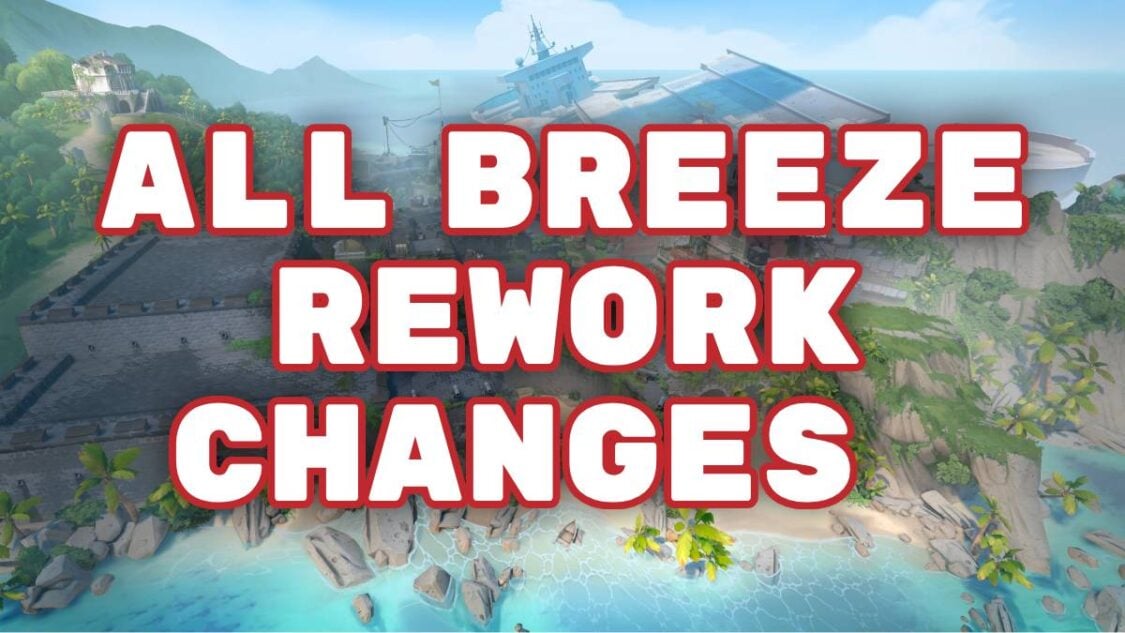


After an 18-month absence from competitive play, Breeze has returned to VALORANT’s map pool with the most extensive rework in the game’s history. Riot Games has transformed nearly every section of the tropical map, addressing years of community criticism about its overwhelming open spaces, complex angles, and attacker-sided nature. The changes aim to make the map more accessible for diverse agent compositions while maintaining its signature long-range dueling identity.
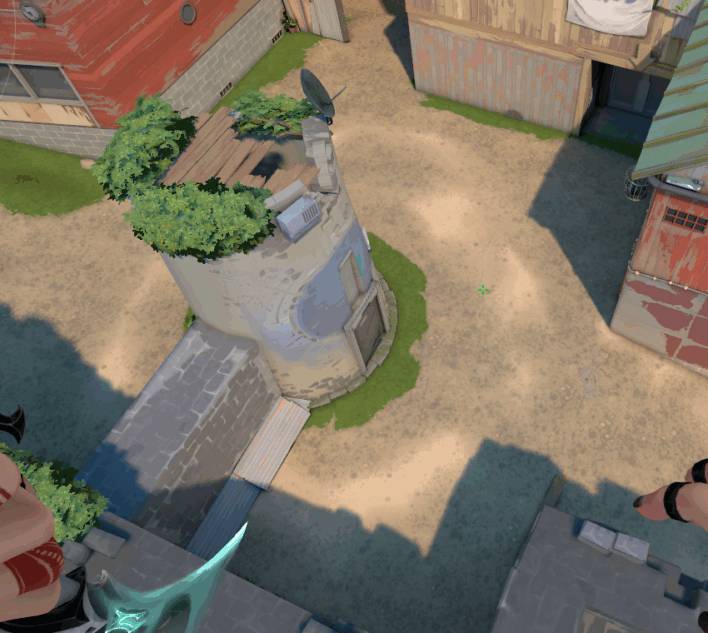
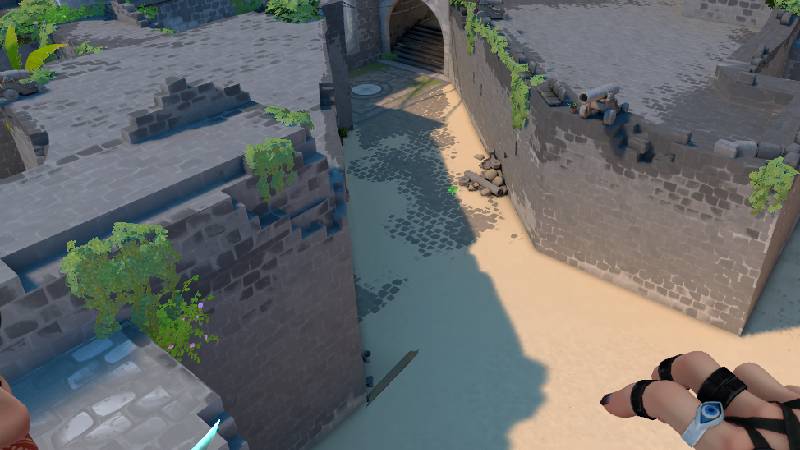
The most dramatic changes center on simplifying the map’s notoriously complicated areas. Mid has received a complete redesign, with the mid halls no longer feeling like a big open space and instead looking more like corridors that players have to walk through and clear. A new wall limits access to the defender spawn, making rotations less predictable and forcing teams to commit more carefully when pushing mid control.
The controversial jump-up spot on the attacker side of mid now requires agent-specific abilities like Jett’s updraft or Omen’s teleport, preventing universal access and reducing the number of aggressive early-game plays defenders must worry about.

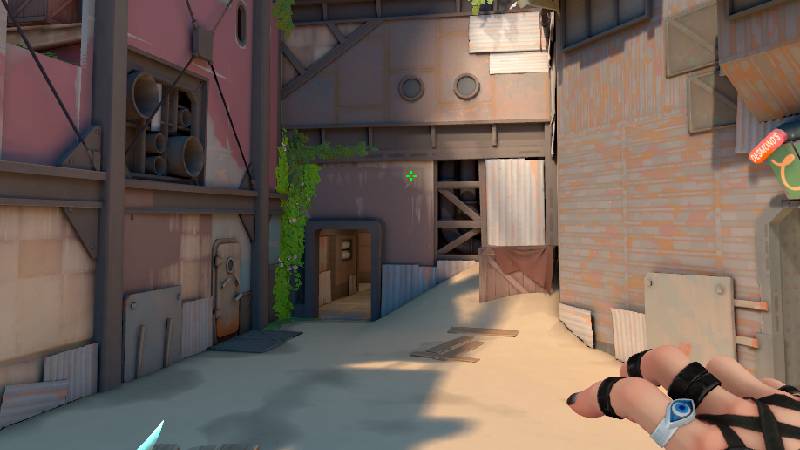
The A site receives substantial modifications aimed at improving attacker gameplay, with the most significant change involving the complete removal of Halls. Now, the entrance that used to lead to halls directly leads to A site.
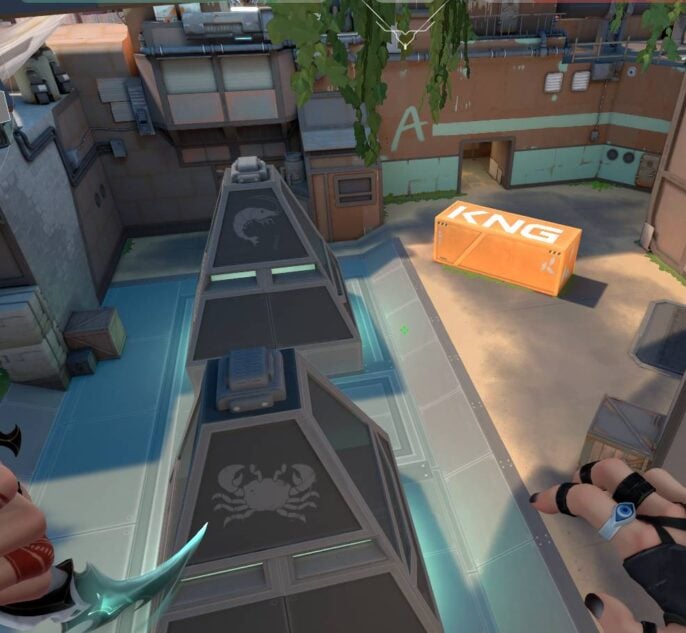
Inside the site, the corner positioning has been adjusted to give defenders better angles. A new box placement at the back of the site grants attackers a safe spot to defend the spike from enemies rotating from defender spawn.

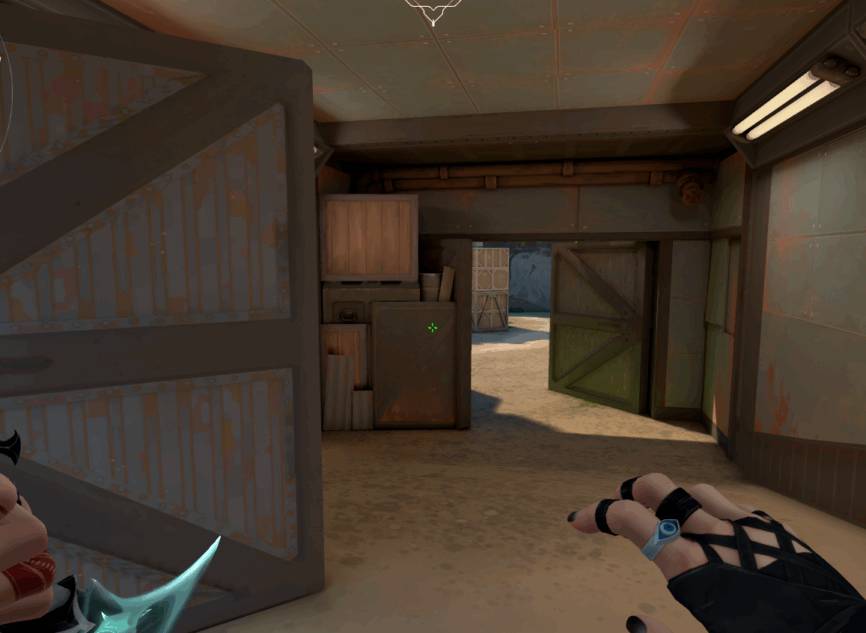
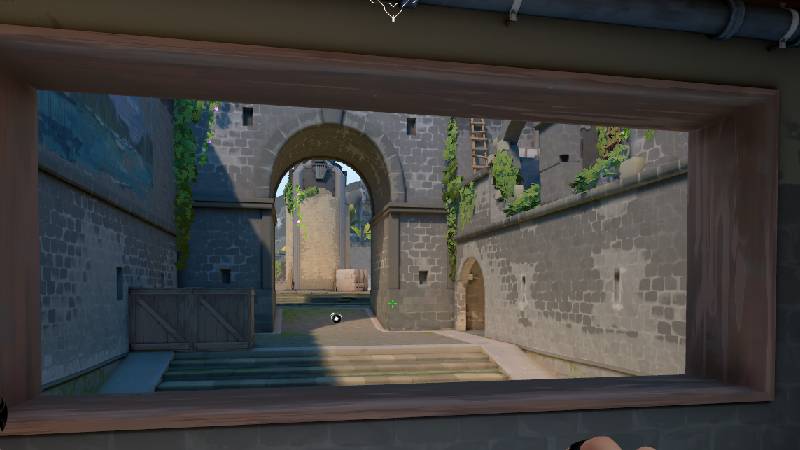
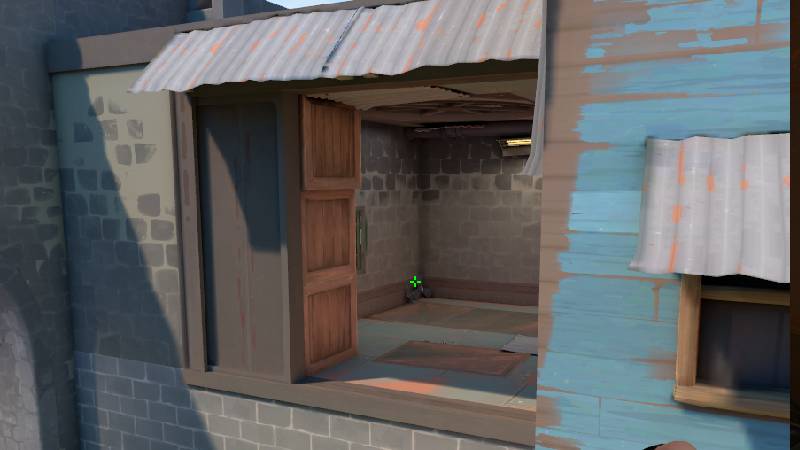
The wooden doors that previously connected mid to A site has been changed with more space, eliminating one spot that defenders frequently used to spam and delay pushes. However, a small window remains where information-gathering abilities like Fade’s eye or Sova’s drone can obtain intel.

B site modifications focus on limiting oppressive defender angles. The wall extending toward B main prevents mid defenders from easily watching multiple angles simultaneously, while raised walls at back site reduce the number of positions attackers must clear.

The path from attackers spawn to the window in front of B has been completely removed, leaving only one path to B that does not go through mid.

The window has also been widened.

The stairs leading to the site from the attackers spawn have been completely removed and replaced by a wall, though players can still enter by jumping on boxes placed on both sides.
The cubby expands significantly due to the extended wall, offering better cover options for both post-plant situations and retake scenarios.
Halls has been completely reworked, with the attacker-side entry being removed once again. This marks a return to an earlier version of Breeze where Riot attempted to reduce the map’s scope by limiting the number of active pathways.

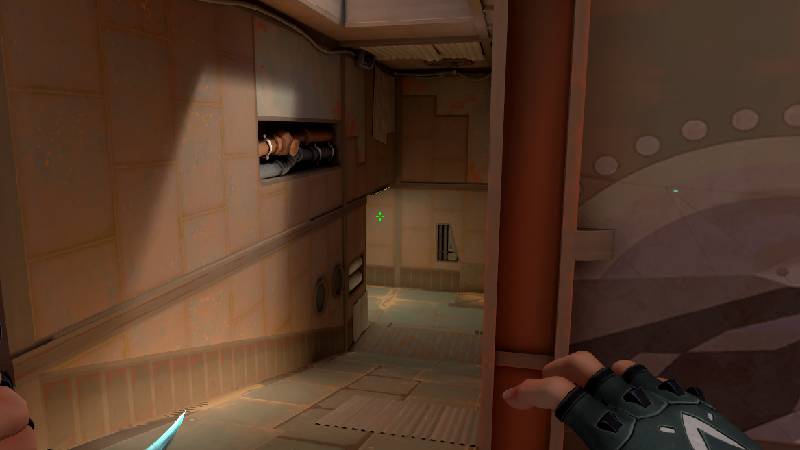
When approaching old Halls from defender spawn, the map now features a new enclosed design that connects to A through a fresh corridor system.

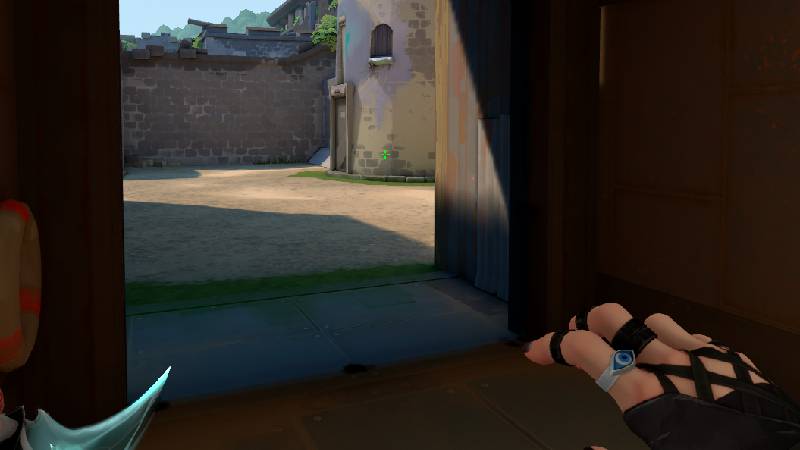
The old Chute that you could jump through to get from Halls to mid has also been changed to a pair of doors that open when you’re nearby, similar to Bind’s teleporter doors. You can open them from both sides, and it connects attackers spawn to mid.

One of Breeze’s most persistent problems was its controller-unfriendly design. Viper dominated the map for years because other controllers simply couldn’t smoke off the massive sightlines effectively. These changes directly address Breeze’s reputation as a controller-unfriendly map, as tighter spaces and more enclosed areas allow for effective smoke placement from agents beyond Viper.
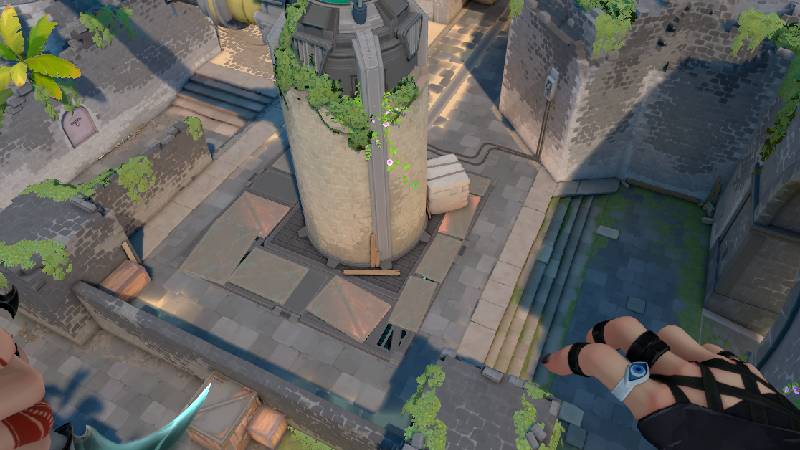
Nest has been simplified to make it easier to smoke off with standard abilities, no longer requiring Viper’s extended wall duration to block sightlines.

The reduction in extreme long-range angles means agents like Omen, Brimstone, and even the recently buffed Harbor should find more success on the reworked map. This opens up team composition possibilities that simply didn’t exist on the old Breeze.
Understanding that learning a completely reworked map presents a significant challenge, Riot is implementing a special Breeze Rework Event where for the first two weeks of Competitive play, Breeze rank rating losses are reduced by 50%, while wins still grant 100% RR. This safety net gives players room to experiment with new angles, timings, and strategies without heavily penalizing their competitive rank during the learning process The reduced RR loss applies only to Breeze matches and only for the first two weeks after the patch goes live. After that period, the map will operate under normal ranked rating rules.
Although the Breeze rework might make the map less attacker-sided, fans can still expect similar agent compositions as seen during Breeze’s previous time in the competitive map pool but now there could be more variation in team comps. The recent utility nerfs might also affect whether VCT teams gravitate toward no-sentinel compositions on Breeze, particularly with the simplified site layouts reducing the number of positions sentinels need to lock down.
Breeze replaces Sunset in both the Competitive and Deathmatch queues, giving players immediate access to the reworked map. Whether the rework successfully addresses Breeze’s longstanding issues remains to be seen.
And stay up to date on all the latest trends in esports
By submitting your information you agree to the Privacy Policy and Terms of Use