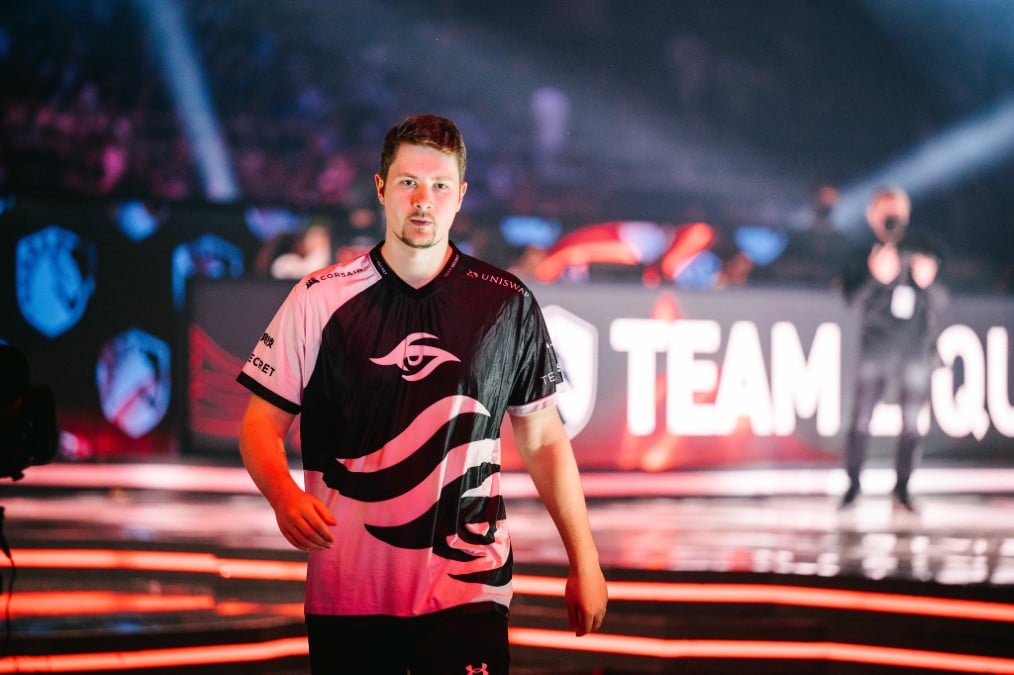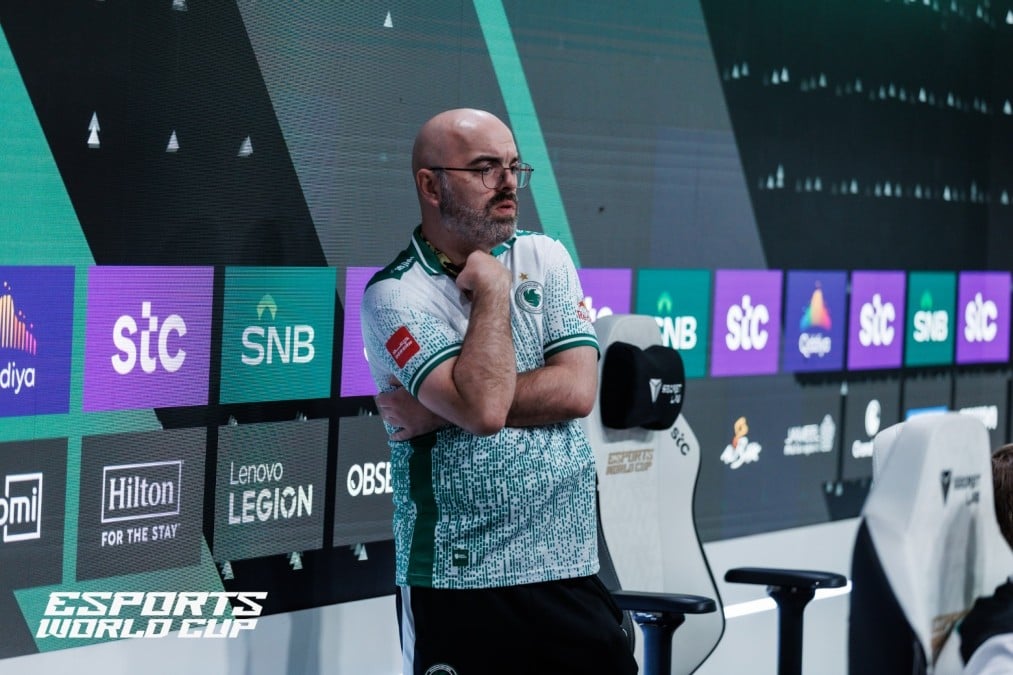


Yesterday, PARIVISION announced that legendary player and team captain Clement “Puppey” Ivanov would be the squad’s coach for DreamLeague Season 27, and presumably for the near future as well. The news came after the departure of former coach Filipe “Astini” Ribiero just around a week ago now, which means that the organization now has their replacement for Astini, at least for the time being.
🔥 Clement «Puppey» Ivanov joins PARIVISION Dota 2 roster as coach for DreamLeague S27
We thank Clement for his willingness to take on the coach role and help us in the upcoming tournament! pic.twitter.com/aelV64c2tY
— PARIVISION (@parivisiongg) December 9, 2025
With so many former professional Dota players now mentoring today’s top teams, it begs the question: why do they make such good coaches in the first place?
As with most popular esports titles, Dota 2 is a game where you don’t see and know everything at any given moment, and you have to make educated guesses and decisions based on those guesses in real time. And with each player also having to focus on their own hero simultaneously, things can get overwhelming fast.
This is where the coach comes in. Although Dota tournament organizers don’t allow coaches to be in the booth with their respective teams after the drafting phase, the fact that they’re able to see the game without the fog of war while they watch on is absolutely huge for spotting mistakes and areas for improvement.
After all, unless they’re maphacking or otherwise using illegal software or tools to see their opponents at all times, the actual players only have their team’s shared vision to rely on. Coaches in turn have a more “bird’s eye” view of everything happening, which they can take notes on and discuss with the team in between games.
It’s no coincidence that most Dota coaches are on the older side when it comes to age. The experience and knowledge required to be good at the job can only be had from years and years of competing at the highest level, or studying the game so much that one gains a higher understanding of it than most others.

Because when you’ve seen everything that Dota 2 has to offer, you’ll have the ability to see the game slow down enough for you to pick out what to do best at any given moment. See a teamfight go wrong for your players when you really should have won it? It happens even to the best of the best, and more experienced players turned coaches will know exactly what that’s like.
Mentoring your players from a mental fortitude standpoint is also something normally best left to the more tenured among us. When your players seemingly don’t know how to set themselves right emotionally, a guiding hand that’s seen and been through it all becomes extremely helpful. It’s why Southeast Asian teams in particular have always been seen as highly skilled but lacking in execution; they’re really damn good, but get in their own heads a lot because of subpar coaching.
It’s just the same as with traditional sports. Older veterans are often signed by developing and/or rebuilding teams to help mentor their younger players and show them the ropes. It makes perfect sense, therefore, that players who were most successful in the mid-2010s are the best coaches in the scene right now.
So what about Puppey? Is he going to make a good coach, whether that’s for PARIVISION or some other squad?

In a word: absolutely. Puppey is one of the brightest and most experienced minds in all of Dota, having been around since Xero Skill, Kingsurf, and Nervana in the DotA Allstars era. Although Puppey hasn’t won at the top level for quite some time now, his insight and awareness of the game at a macro and strategic level is known the world over.
It helps a ton that he’s one of the most accomplished support players and team captains the game has ever seen. His eye for Dota is matched only by other geniuses like Peter “ppd” Dager, Airat “Silent” Gaziev, and Kurtis “Aui_2000” Ling. The fact that he’s now behind one of the most talented rosters in the current competitive scene should only serve to make PARIVISION even better, and right at a time where they really need to get back to form.
Of course, the proof will be in the pudding as with anything else. This is Puppey’s first major coaching gig, after all, and it still remains to be seen whether or not PARIVISION will keep him around after DreamLeague Season 27. I’m confident that he’ll be more than up to the challenge given his history of calling the shots for Team Secret and Natus Vincere, but the results have to come first before I’m ready to call him a proper leader from the back seat.
Mechanical skill will always be a part of any esport barring chess. We all live for the twitch moments and the big plays, and generally speaking, the players up there at the top of the Dota 2 leaderboards will be most capable of pulling off such things in the heat of battle.
Puppey is of course a part of the upper echelon of Dota players, having won multiple premier LAN tournaments throughout his illustrious career. This makes his new coaching gig all the more legitimate, as everyone knows that always been a great player. But what if I told you that you don’t even need to be in Immortal to coach a pro team?

I will point you to Allen “Bonkers” Cook, who was the analyst for Ad Finem when they reached the grand finals at the 2016 Boston Major. They managed to survive the cutthroat single elimination playoff bracket at one of the biggest events that year, and even took a map off of the original OG roster in the championship match.
Bonkers’ MMR? Around 3,000 at the time. He has since stepped away from coaching full time, and is now managing Team Falcons.
There’s also Muriëlle “Kips” Huisman, who once filled the same role as Bonkers for Fnatic, TNC Pro Team, Vega Squadron, and more. Although Kips doesn’t seem to play much Dota anymore these days, she was in the Legend to Ancient brackets for most of her time as an analyst for professional teams.
It’s pretty clear, therefore, that even when you’re not good enough to be getting every last hit in lane or pulling sick jukes in a high stakes pro match, it’s possible to make it as a coach in this game. Mechanical skill doesn’t always correlate to one’s understanding of Dota 2, which both Bonkers and Kips have proven in the past.
Naturally, it’ll be harder to convince an esports organization to hire you if you don’t have the MMR to back it up, but it has happened before, and I hope for us regular folks that it does happen again in the future.
And stay up to date on all the latest trends in esports
By submitting your information you agree to the Privacy Policy and Terms of Use